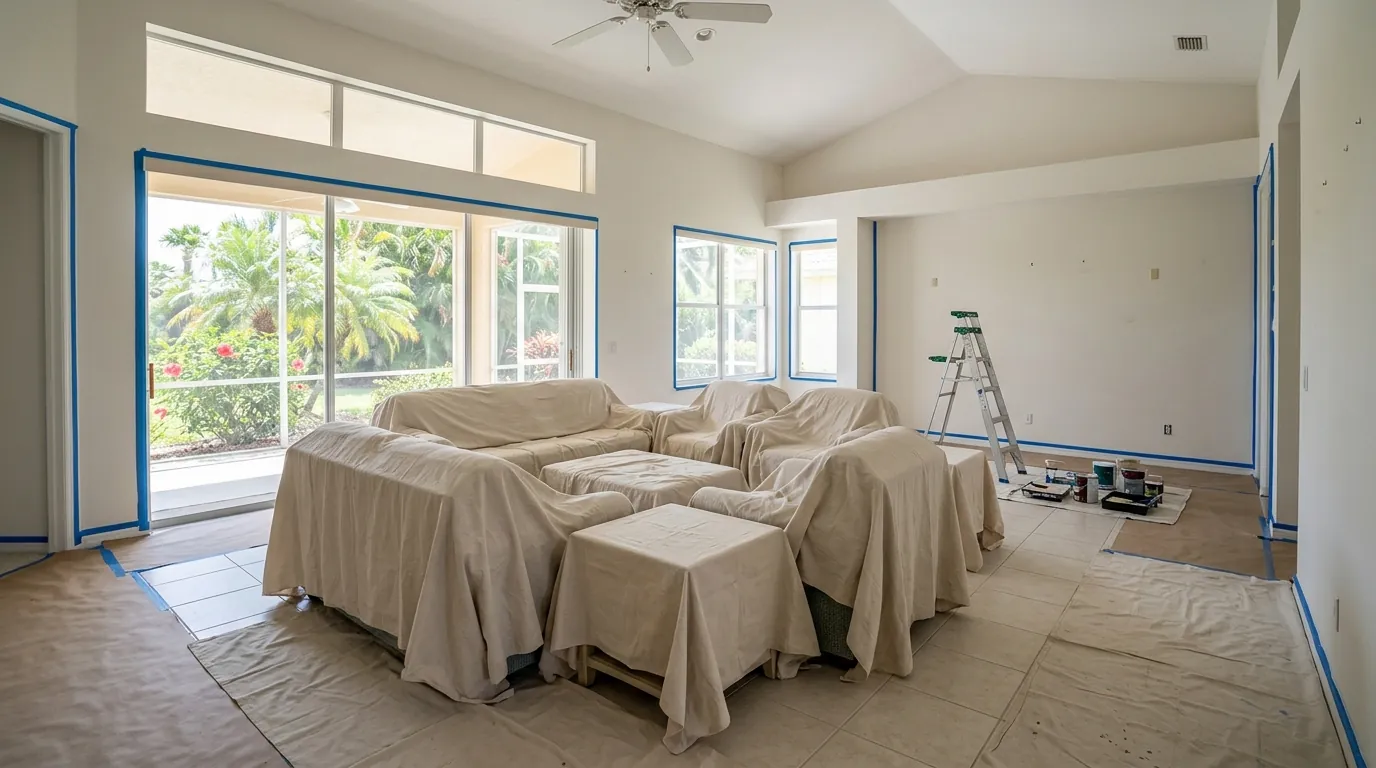
Settle colors and the room list first, then clear small items, wall hangings and electronics from each room. Leave heavy furniture for the crew to move and cover. Condo owners should confirm building rules on work hours, elevators and parking. Afterward, give paint time to cure before hanging art or scrubbing walls.
Decisions to make a week ahead
The single biggest cause of delays on interior jobs is an unsettled color. Once the crew has arrived and the walls are prepped, waiting on a decision means lost time. Try to have every color picked a few days before the start date, including ceilings and trim if those are changing. Live with samples on the actual walls for at least a day or two, since Sarasota light pours through big windows and sliders and can make a color look very different than it did on a small card.
Sheen is the decision people forget. Flat finishes hide wall flaws and work well on ceilings. Eggshell and satin are popular for living spaces and bedrooms because they clean more easily. Kitchens and bathrooms usually do better with satin or semi-gloss, which handle steam and wiping. Trim and doors are typically semi-gloss. If you are unsure, tell us how each room is used, who lives there, and whether pets or kids are involved, and we can suggest a sensible finish for each space.
Clearing each room
You do not need to empty the house, but small, breakable and personal items should be out of the way. Shelves, tabletops, dressers and windowsills should be cleared. Take down pictures, mirrors, clocks and curtains, and set the hardware aside in a labeled bag so nothing gets lost. Electronics like televisions and speakers are best moved by the owner, since cords and mounts vary. Anything valuable or sentimental belongs in a room that is not being painted, or in a closet you can close.
Closets are often overlooked. If you want closets painted, they need to be emptied, which is a bigger job than most people expect. If not, just let us know so we plan around them. Bathrooms should have toiletries, towels and bath mats put away. In the kitchen, clear the counters near walls being painted. The more open surface the crew has to work with, the faster the room moves, and the less time your household is living around tarps and ladders.
- Clear shelves, dressers, sills and tabletops
- Take down art, mirrors, curtains and rods
- Unplug and move televisions and electronics yourself
- Store valuables in a room that is not being painted
- Decide whether closets are included and empty them if so
What our crew takes care of
Heavy furniture is our job. Sofas, beds, dressers and tables are moved toward the center of the room and covered with clean plastic or drop cloths. Floors are protected along every wall we work on, and anything that cannot move, like built-in shelving or a piano, is wrapped carefully in place. Switch plates and outlet covers come off and go back on at the end. Light fixtures that sit close to the ceiling may be loosened and dropped slightly so we can paint behind them cleanly.
Prep on the walls is ours too: filling nail holes, patching small dents and cracks, sanding glossy spots, caulking gaps along trim and spot-priming repairs so they do not show through the finish. Larger drywall damage, like water stains or holes from removed fixtures, is easier to discuss before the job starts so it is in the plan. At the end of each day, the work area is tidied so you can still move through the house, and walls that are wet are pointed out so nobody brushes against them.
Living at home during the work
Most families stay home while interior painting happens, and that is perfectly workable with a little planning. Work usually moves room by room, so you will have places to retreat to. Water-based interior paints have far less odor than older products, but some people still prefer to keep bedroom doors closed and sleep in a room that was not painted that day. Keeping the air conditioning running helps paint dry evenly in our humid climate and keeps the house comfortable for everyone.
Pets are the bigger concern. Curious dogs and cats can walk through wet trim, knock over a tray or slip out an open door while crews carry gear in and out. A closed room, a crate, or a day at a friend's house keeps everyone calmer. Let us know which entrance you want the crew to use and whether any rooms are off limits. If you work from home, tell us which room is your office so we can schedule it on a day that suits you.
Extra steps for condo owners
Sarasota has a large number of condominium buildings, from bayfront towers downtown to low-rise communities in the suburbs, and many of them have rules for contractors. Common ones include set working hours, a requirement to reserve a service elevator, designated parking for work vehicles, and protection for hallways and common areas. Some associations also ask for paperwork from the contractor before work begins. Check with your building manager early, since a missed requirement can mean being turned away on the first morning.
Let us know about any of these rules when you call so we can plan the schedule around them. If the building limits loud work to certain hours, sanding and patching can be arranged to fit. If parking is tight, crews can carpool or unload and move vehicles. It also helps to give the front desk or security office a heads-up about which days the crew will be in, so access goes smoothly and your neighbors are not surprised by ladders in the elevator.
- Confirm allowed working hours and quiet times
- Reserve the service elevator if one is required
- Ask where work vehicles may park
- Check what paperwork the association needs from contractors
The first week after the crew leaves
Paint can feel dry to the touch within an hour, but it keeps curing for days and sometimes a few weeks, especially in humid weather. During that time, the surface is softer than it will eventually be. Wait a few days before hanging art or pushing furniture tight against walls, and longer before scrubbing anything. If a mark appears, a soft, damp cloth with no harsh cleaner is the safest way to handle it. Keeping the air conditioning on helps the cure along.
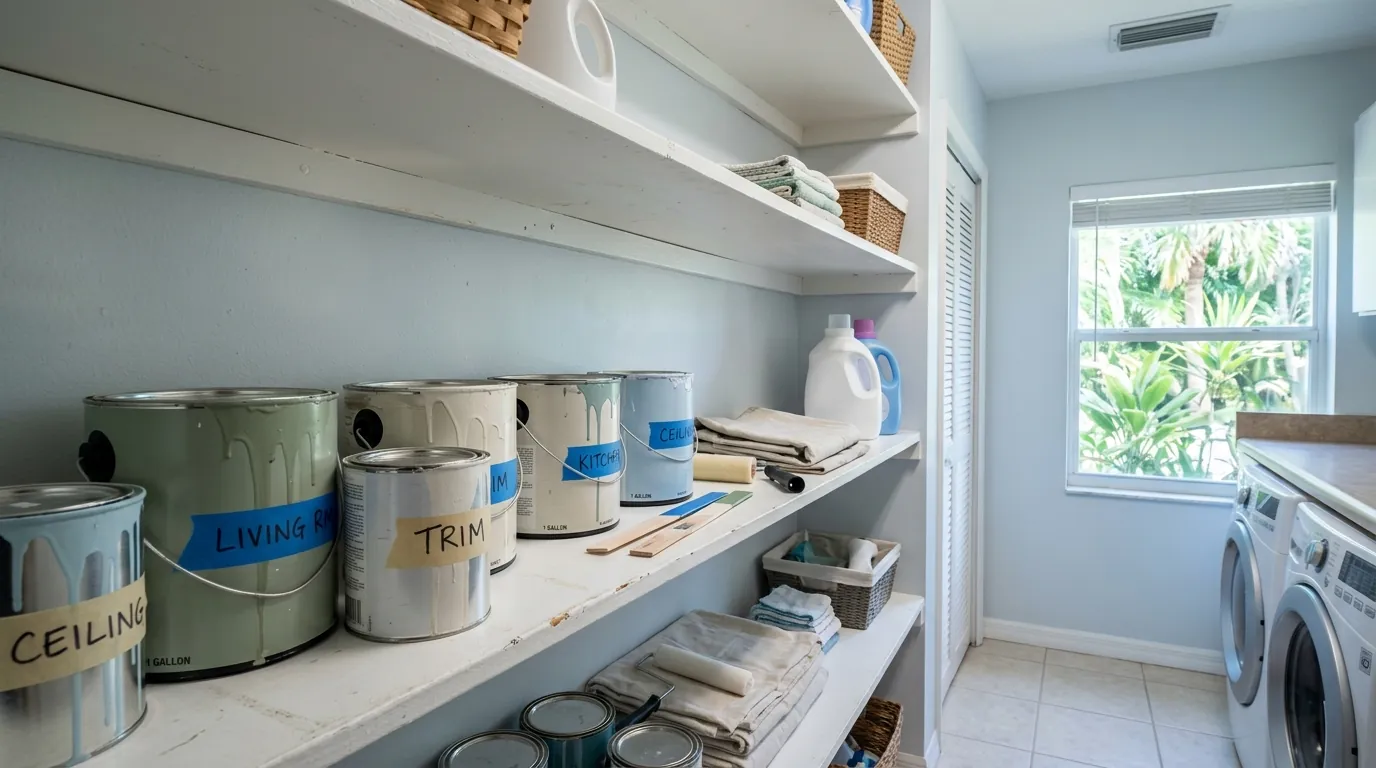
Before the crew leaves, walk each room with the foreman in good light and point out anything you would like touched up. Ask for leftover paint to be labeled with the room and the color name so future touch-ups are easy. Store those cans indoors, out of the heat of a garage, where they will keep much better. If you have questions in the weeks after, or want to plan the next rooms, give us a call.
- Wait several days before hanging art
- Use only a soft damp cloth on fresh walls
- Walk the rooms with the foreman before sign-off
- Label and store leftover paint indoors